An Aspirin a Day, But What's the Best Dose?
February is American Heart Month, a time to acknowledge the burden that cardiovascular disease places on our nation, encourage healthy-heart habits, and recognize the importance of research in saving lives.
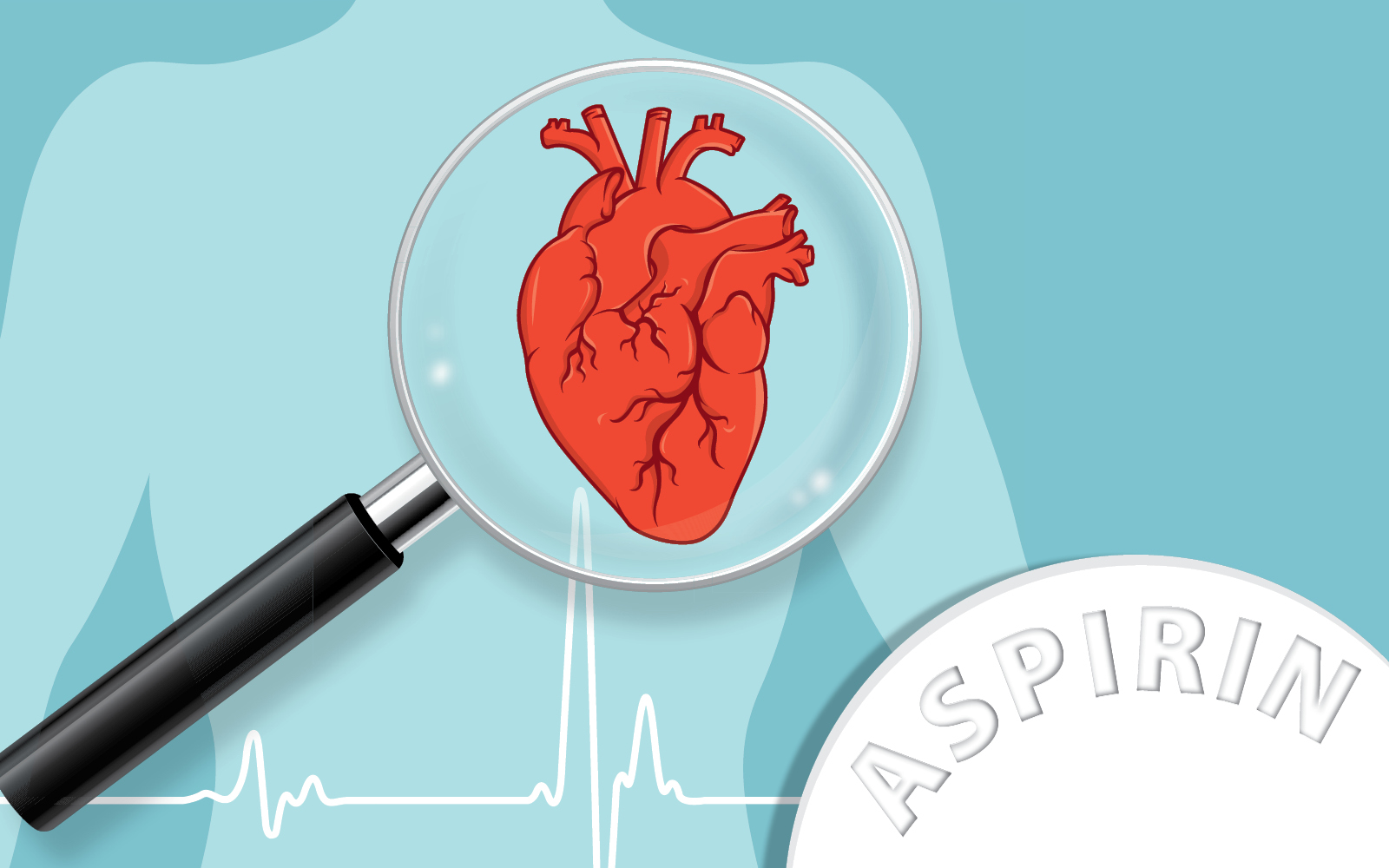
Cardiovascular disease is the number one cause of death in the United States. Heart attack, stroke, and other cardiovascular diseases kill an estimated 600,000 to 800,000 Americans every year, and about 85.6 million Americans live with cardiovascular disease.
A daily aspirin is known to prevent heart attacks and strokes among people with heart disease. More than half of adults who have heart disease take aspirin regularly, according to the Agency for Healthcare Research and Quality. But there is no consensus about what dose of aspirin patients should take—a baby aspirin (81 milligrams) or an adult aspirin (325 milligrams). The higher dose may be more effective at reducing the risk of heart attack but may raise the risk of serious side effects, such as internal bleeding.
Patients are our inspiration and energy for the trial.
Adrian F. Hernandez, MD, MHS
To find out which dose is safer and more effective, PCORI has funded a study of up to 20,000 people with heart disease. Each participant is randomly assigned to take either 81 or 325 milligrams of aspirin daily. The study, called ADAPTABLE (Aspirin Dosing: A Patient-Centric Trial Assessing Benefits and Long-Term Effectiveness), began recruiting participants in 2016. People join the study through a patient portal or in their healthcare clinic.
The participating clinics are a part of a larger network of hospital systems that that are part of PCORnet, the National Patient-Centered Clinical Research Network. PCORnet is PCORI’s initiative to harness the power of data to make clinical research faster, easier, and less costly to conduct—while also making it more patient-centered.
We spoke with Henry Cruz, a member of the team of eight patient partners from across the country whom the study calls Adaptors, and Adrian Hernandez, MD, MHS, co-principal investigator of ADAPTABLE and director of Health Services Outcomes Research at the Duke Clinical Research Institute.
Mr. Cruz, what is your experience with heart disease?
Henry Cruz: I’m 50 and I’m the youngest of 12 kids. We all have diabetes, which raises your risk for heart disease. There’s only three of us alive now. My mother died of a massive heart attack, as did two of my brothers. I have a lot of experience with loss. I’ve raised six kids—my siblings’ children.
I’m also visually impaired. Because of a complication of diabetes called diabetic retinopathy, I was completely blind by the time I graduated from college. I am so lucky to have participated in a diabetes research study where I met a clinical researcher who became a friend, and identified an ophthalmologist whose gifted hands restored sight to my left eye.
I hope this will grease the national wheels of PCORI, of PCORnet.
Henry Cruz
I'm all for research. Either you are swallowed by grief or you find something productive to do with all that pain and you fight back. That’s how I manage: with advocacy, educating others, and getting involved in research.
I take aspirin every day. I was taking 81 milligrams, but I switched to 325 after joining the ADAPTABLE team. If I’m advocating for people to join the study, to receive either dose, I have to be willing to try the other dose. We’ve got to put our money where our mouth is, so I spoke to my primary care physician, who’d initially placed me on the lower dose, and she consented.
Dr. Hernandez, how far along is the study?
Adrian Hernandez: We have more than 1,000 patients enrolled. We’re enrolling over 50 people a week. That’s 5, 10, even 30 times better than what we typically see in enrollment rates for traditional trials. We have 17 sites that have mapped people with heart disease so that they can be identified electronically through their health records.
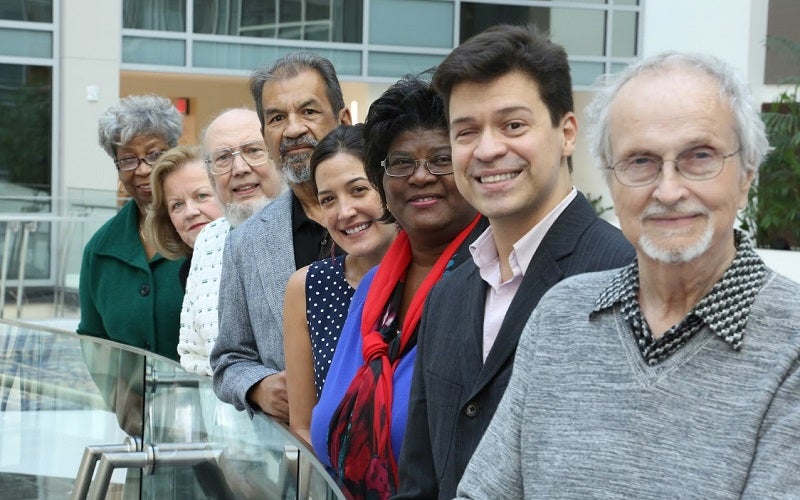
Henry Cruz (second from right) is one of eight Adaptors, a panel of patient representatives who advise the aspirin study.
In the traditional trial, you wait passively until people happen to come into the clinic, and there happens to be a study there. But people are more and more connected electronically to their health systems now. We don’t have to rely on chance that they’ll be in clinic at the right time.
How have patients been involved in designing and running this study?
Adrian Hernandez: The Adaptors represent the heart and soul of the trial. They’ve been part since the beginning in choosing the right questions, the right outcomes to study. They’ve helped us with language to explain to potential participants why it’s meaningful for everyone to join. They are our inspiration and energy for the trial.
Henry Cruz: The study leaders listen to us. They follow and respect and embrace the Adaptors. We had many suggestions about the patient portal. We wanted more outreach, more advertising to get the word out.
When we had questions, the researchers would answer in terms we could understand. They explained why they are so slow and methodical in their research. They were very clear about how the ADAPTABLE study protects patients. That’s about taking care of us.
What are you hoping to accomplish with ADAPTABLE?
Adrian Herndandez: We want to improve the health of people with heart disease. But we also want to show what’s possible when you have an engaged community using a resource such as PCORnet for doing large pragmatic trials that answer important questions. We’re showing what’s possible.
Henry Cruz: I hope this will grease the national wheels of PCORI, of PCORnet. It can show people how to utilize this national, patient-centered network for larger, more complex studies.
The views expressed here are those of the authors and not necessarily those of PCORI.