PCORI Projects Put Findings into Action
Comparing treatments to find the best ones for individuals, evaluating approaches that help patients make informed decisions, developing methods to improve the efficiency of clinical research—these are important categories of studies that PCORI funds, but they advance us only partway to our goal.
As patients, clinicians, researchers, and other members of the healthcare community know all too well, study findings can languish in the scientific literature, taking far too long before they affect patients’ lives—if they ever do. That’s why dissemination and implementation of research findings are central to PCORI’s mission.

As part of our efforts to ensure uptake of useful results in clinical practice, we have launched an awards program to enable teams that have completed a PCORI-funded research project to take the next step toward having their results influence care. These awards, which fund dissemination and implementation activities, help close the gap between research findings and use of that evidence in practice.
We are pleased to present our first five dissemination and implementation awards (see box below), and we expect to fund many more in the future.
Moving toward Practice
With PCORI’s funding of pilot projects in 2012 and larger comparative clinical effectiveness research (CER) projects beginning in 2013, the first of our CER studies are now reaching conclusion. Researchers who have completed their PCORI research projects can use the dissemination and implementation award opportunity to propose plans for taking the next step toward implementing their promising findings in real-world situations. We will accept applications for these opportunities three times a year.
One of the first awardee teams had completed a PCORI-funded research study based at Tufts University in Boston. It reanalyzed patient data from the three-year-long Diabetes Prevention Program study of more than 3,000 people with prediabetes. Reanalysis based on the team’s risk-prediction calculation showed wide variation in patients’ likelihood of developing diabetes in the future. The participants who were at the highest risk for diabetes benefited the most from taking the diabetes medication metformin or from stringent diet and exercise changes, while those in the other groups showed significantly less benefit.
PCORI’s First Five Dissemination and Implementation Awards
- Dissemination and Implementation of a Virtual Care Model for Parkinson's Disease and Other Chronic Conditions
- Enhancing Dissemination and Implementation of Causal Inference Methods through Partnerships with Large Health System
- Improving Diabetes Prevention with Benefit-Based Tailored Treatment: Disseminating Patient-Centered Estimates of Benefit
- Leveraging Patient Partner/Stakeholder Engagement to Implement PCOR—PlanYourLifespan.org
- Preventing Venous Thromboembolism (VTE): Engaging Patients to Reduce Preventable Harm from Missed/Refused Doses of VTE Prophylaxis
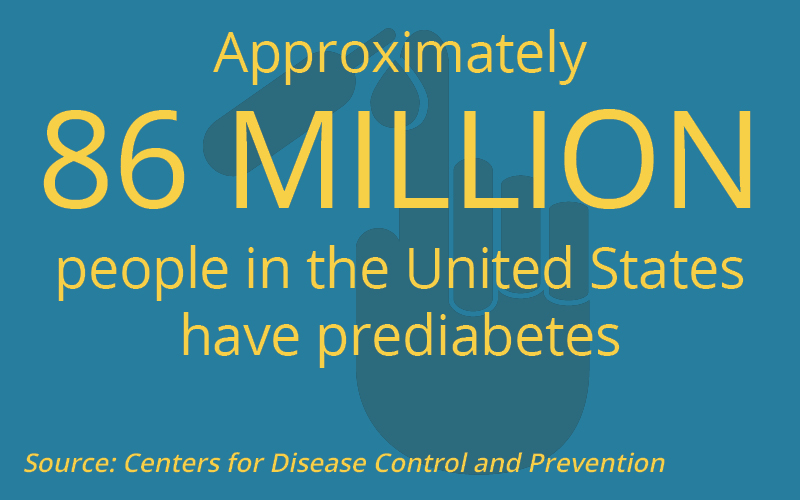
With approximately 86 million people in the United States having prediabetes, this finding has major implications. It could help us target preventive interventions to those at highest risk for developing diabetes; at the same time, people at lower risk could avoid unnecessary interventions. But those achievements will only happen if the risk-prediction calculation gains widespread use.
With its new dissemination and implementation award, the Tufts research group is creating a tool that works with electronic health records to apply the team’s prediction calculations to inform clinicians of their patients’ risk of developing diabetes. Clinicians will then have immediate, personalized information they can use to tailor their treatments. The team worked with the American Medical Group Association, a trade association representing medical groups, health systems, and other organized systems of care, to identify 50 clinics that will use the tool. The team will evaluate the tool’s use and effects.
Dissemination and implementation of research findings are central to PCORI's mission.
A Statewide Rollout
Another PCORI-funded research study tested whether telemedicine could effectively bring specialist care to patients with Parkinson’s disease. Less than 60 percent of Medicare beneficiaries with Parkinson's disease see a neurologist, even though such patients fare better when they do. Because people with Parkinson’s disease tend to have movement problems, and thus often have difficulty traveling, researchers at the University of Rochester wanted to see whether telemedicine—specifically, videoconferencing—was feasible, reduced travel time associated with healthcare visits and caregiver burden, and improved patient outcomes.
The study found that telemedicine visits were feasible and that both patients and Parkinson’s disease specialists were satisfied with the quality and convenience of care. Having telehealth visits also saved patients time and travel associated with in-person visits. Telemedicine visits were not associated with significant changes in quality of life, potentially because of participants’ existing high satisfaction with care and access to Parkinson’s disease specialists at the beginning of the study. A more diverse and representative Parkinson’s population would provide more insight on this possibility.
Telemedicine remains promising for reaching people without access to specialists. So the research team recently received funding from the Greater Rochester Health Foundation and the Edmond J. Safra Foundation to deliver their telehealth program through a statewide program called Parkinson’s Disease Care New York. The program is providing the team’s telehealth services to at least 500 Parkinson’s disease patients through 2019. With its new dissemination and implementation award, the University of Rochester team will refine and expand its program to include multidisciplinary care to address common conditions that often go along with Parkinson’s disease, such as depression, anxiety, and dementia. The team will then evaluate the reach, impact, and use of the program.
More to Come
We encourage you to check out these two dissemination and implementation projects, along with the other three we have awarded.
And watch this space for news of future awards. We encourage PCORI awardees to partner with stakeholder groups and decision makers to come up with effective ways to spread their findings in targeted healthcare environments.